Friday, February 28, 2014

Changing Your Spark Plugs


With today's modern fuel injection changing your spark plugs is few and far between, that day will come that you will need to know how to properly change a spark plug on your boat. That is where we come in. Here are some tips and tricks for changing your spark plugs.

Choose The Right Plug

A tad short or not the right heat range won't fly. Close enough will not work when installing spark plugs. The best way to figure out the right spark plug is to contact the manufacturer

Using The Right Wrench

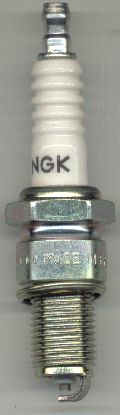
Spark plugs have a porcelain tip on them that is protected by a foam cover. Using a standard socket wrench could crack the porcelain. You will need a steady hand, socket extension and tight griping socket.

Using The Right Torque

Over tightening is one of the biggest mistakes. If you overtighten the spark plug when reinstalling it, your could strip the cylinder which would be costly to remove and have it re-threaded. The average torque wrench setting should be between 18-20 pounds per square inch. Make sure to check with the manufacturer before use.

Using The Right Gap

The gap is the distance the spark has to jump. If you have a gapless engine, then this is one step that you do not have to worry with. If your sparks need to be gapped, I would suggest investing in feeler gages. The gap setting can be found on the emissions plate of the engine or in the owner’s manual

Quick Tip: As you are changing your plug, check the others. Look for water droplets, aluminum bits, or a white substance on them. If you find any, take it to your dealer before you head out again.

Now that you know how to change your spark plugs, don't let the fear of what might go wrong stop you from enjoy a day relaxing on the water. If you are looking for some more tips on the subject, check these out.

Friday, January 31, 2014

Boat Show Season


For most of us our boats are tucked away until spring commissioning. Which is a real bummer because I know we would all love to go boating right now. So what can we do to keep boating at the top of our minds during this non boating season? That is the hard part; which is why there was such a thing called boat show season. This season starts the beginning of January and usually goes through March and it is when most of the major boat shows happen.
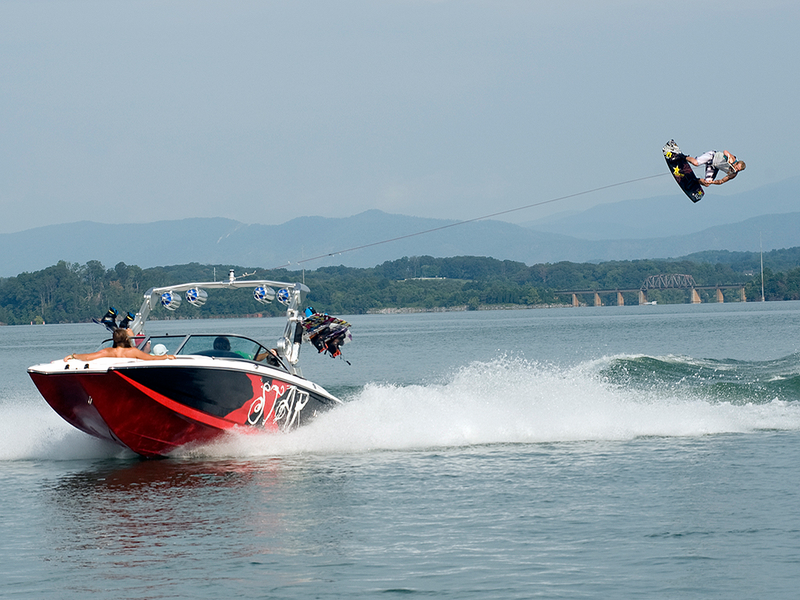

One of the most important ways that you prepare for a boat show is to get your budget in order before you head out. You don’t want to be at a boat show and have that discussion with your significant other once you have fallen in love with a boat that is way out of your price range. Of course, you don’t have to buy a boat when you go to a boat show. But know what you want to spend whether it is $20 or $200,000.


Now that you know what you can, or can’t, spend, you need to find all the boat shows that you would like to attend during the season. You can do so by using this tool from Discover Boating. Mark those dates in your calendar and start getting excited.


Taking what you have learned today, you can make this boat show season a great one. Leave us a comment telling us what boat show you are most excited about attending.


Friday, December 13, 2013

Keeping Your Gear Like New.


We love our watersports and hate when the boating season comes to an end and we can no longer spend precious time out enjoying our time on the water. How can we keep our gear looking and acting like new year round? How you store your gear dictates the lifespan of your gear. You treat it well and it will last.
It really doesn't take much to keep your gear performing in like new condition. Your Wakeboard's edge is critical not only to how it performs, but how it ages. You don't want to stand it up in a corner on a hard surface and forget about it for awhile. doing that could easily crack the joint where the top and bottom of the board come together. If that happens, your board will come apart. To prevent this, always place your board binding side down. You could even go one step further and entirely remove the bindings to dry them separately from the board. 
If you are anything like me, at the end of your day the tow ropes seem to gets pulled into the boat and laid on the floor in a heap while we reminisce about that awesome trick that you just landed. Make sure to take the time to coil the rope after each use being careful to loop it in 1-3 foot long sections. To make coiling easier, give your wrist a little half twist as you are coiling. It will make the rope want to wrap around itself. 
After your adventure on the water, your wetsuit needs to be dried completely before it is stored. There is actually a proper way to do this is to dry it out. Lay your wetsuit inside out on a flat surface out of direct sunlight. Doing this will help to maintain the seams and material. Once it is dry, you can hand it up on a hanger like a normal suit. Better yet, find an actual suit hanger with broader shoulders to help hold the shape of the suit better.
The last piece of gear is your life vest. Did you know that drying your life vest in direct sunlight can actually break down the fibers in the vest drastically reducing its life span? You also do not want to just stick in a storage compartment to dry. Doing this will create some not so pleasant smells and mildew problems. The best way to dry your vest is letting it drip dry in a cool dry area making sure it is vertical to allow the water to drain from the bottom. 
With these tips your gear will continue looking and acting like it did the day you bought it. Taking the extra time to take proper care of the gear you have will save you time and money in the future. So tell us, How do you store your gear?


Thursday, October 31, 2013

Where Do I Store My Boat?


When you are thinking where to put your boat for the off season, you have many options. Each one has its own pros and cons and the decision is which one works best for you. We will take some time and discuss the different options that your family has for your boat storage needs. 
The first way we will discuss is the trailer. There is no less expensive option than storing your boat on a trailer. You can keep your boat right at your fingertips having it sitting in your driveway or in your backyard. Another added convenience is the ability to take your boat with you if you head south for a winter vacation and to enjoy those rare winter days that you can spend on the water. The biggest advantage is the money you will save not having to pay storage fees at a facility.
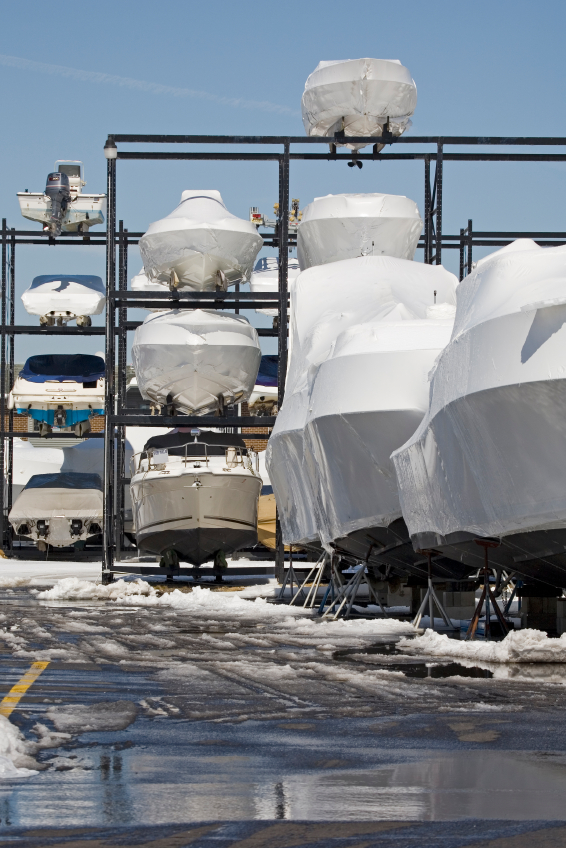
Rack storage is another option for your boat storage needs. Rack storage is exactly like it sounds. Your boat is forklifted out of the water and placed into a warehouse that is filled with trailer like cradles. When you want to use your boat for the day, the facility will retrieve your boat and place it in the water and upon your return, will put it back on it rack. This is a great option if you have a smaller boat. Unfortunately, there are size limits with rack storage.
If you have a larger boat, storing your boat at a wet slip in the marina is the option for you.  It is convenient for you to pack up the family and gear and head down to the dock and go. Rates for the slips will vary by the size of the slip you purchase. You are usually charged by the square footage of water your boat occupies. Most marinas offer showers and bathrooms for your boat to feel more like home. 
Where to Keep Your Boat A key component of boat ownership is the question of where to keep your boat when you're not using it. Budget, convenience and availability play into the equation and should be part of any pre-purchase family discussion. Do you have more questions about boat storage? Ask it by leaving us a comment.


Sunday, September 29, 2013

Let's Go Fishing


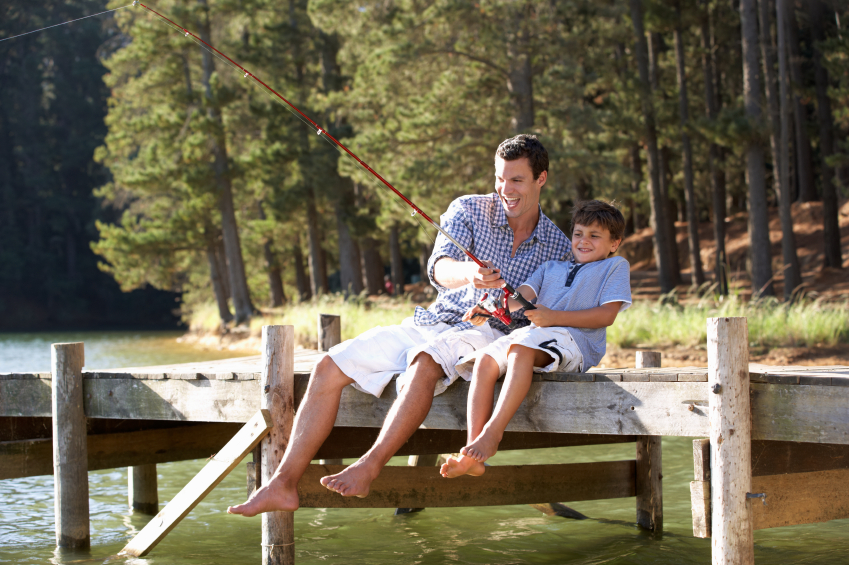
So you want to get started in fishing? Congratulations, fishing is a great sport, hobby, and past time for millions of Americans. Now, you will get to call yourself an angler. Do you have everything you will need in order to have a successful first fishing trip?


One of the most important pieces of equipment you will need for your first trip is a fishing pole. Picking a pole can be a little overwhelming. There are many different styles and sizes to choose from. Find yourself a nice medium weight rod to begin with and let’s get going.


The next important piece of your fishing equipment is the bait that you are going to use. There are a variety of different baits on the market and everyone has their own opinion as to which one is the best. It is up to you to decide which bait is right for you. Your choices are live bait, dead bait, or artificial bait. They are all just like they sound. Live bait is living insects & worms. Dead bait could be cut up pieces of fish, dead insects & dead worms. Artificial bait is that brightly colored weird looking bait that you see in the fishing isle. You can pick the bait that works best for you.


You have your pole; you have your bait, now it sounds like you are just about ready to start fishing. So where will you do your fishing? You have your option as to whether you choose to stand (or sit) on the shore line or to hop in your boat and find that perfect spot in the middle of the water. Whatever you choose, you are bound to have a great time. So go and pack your cooler, grab your gear and round up a couple of friends, and lets go fishing!


Friday, August 30, 2013

The Best of Omaha


The Best of Omaha is a contest that is sponsored by Omaha Magazine. It is a contest that allows people like you to vote for the best businesses in different categories in Omaha. The contest began in the mid-80s using the magazine staff to do the voting. In 1992, the voting was opened up to the public.


The contest continued to gain popularity as the years went by. It switched from mail in forms to all exclusively electric votes. As the number of votes continued to grow the categories expanded as well. There are currently 176 Best of Omaha categories with around 425,000 votes from around 20,000 voters.


Omaha Marine Center is in the running for this year’s Best of Omaha. We have been successfully voted Best of Omaha for 8 years in a row and we need your help to make it to 9. The voting is open until September 30, so if you are ready to vote Omaha Marine Center as a Best of Omaha for its ninth straight year, click here.


Tuesday, July 30, 2013

The Invasion of Zebra Mussels


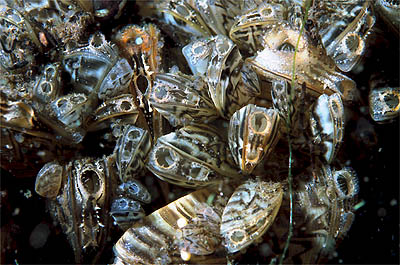
You just had a great day on the water and you are loading your boat back up on your trailer when you notice something, something black and stripped. Well what is that? You have just come across an invasive species called Zebra Mussels.


Zebra Mussels are small freshwater mussels that originated in the southern lakes of Russia. How did they get here? They have been accidentally introduced to other areas all over the world. They made their first North American appearance in the Great Lakes in 1988 and has spread rapidly ever since.


Now I’m sure you are asking what is so wrong with them. The problem comes in because the Zebra Mussels grow right on top of each other. They start to stick on an intake pipe and they keep forming layer after layer until the pipe is completely blocked. They are also very hard to remove. You have to go down underwater and chisel them away. It is like chiseling away at concrete.


You know where the Zebra Mussels came from and why they are bad. Now, what can you do about it? Doing your part to help stop this invasive species from spreading. How do you do it? Each time you get out of the water give your boat an inspection. If you see any mussels, you need to take your boat into a certified cleaning facility, like us here at Omaha Marine Center, and have them removed. Making sure that you are not spreading the mussels to any more lakes is the biggest thing that you can do to help.


If you want more information on Zebra Mussels please click here to learn more.